
&Every year, a few weeks before Ganeshotsav, something happens in old Pune lanes. Families dust off the same brass lamps their grandparents used. Societies pull out the same idol they have welcomed for decades. Kids who grew up in the building now bring their own kids to the same courtyard for visarjan. In 2026, Ganesh Sthapana falls on September 14, and that quiet ritual will repeat itself once again.
This is what old Puneris call puneri varsa. It means the heritage that gets handed down along with the keys to the family home. This heritage is also exactly what is at stake when a housing society decides to redevelop. Families want a safer, bigger, better built home. But they also want to keep the community, the courtyard, and the traditions that came with the old one.
Somewhere in that decision, most people ask the same question. Does RERA protect us through this process? The honest answer is more complicated than most people expect. It is worth understanding before your society signs anything.
What Is RERA, and Why Does It Come Up in Redevelopment?
RERA stands for the Real Estate Regulation Act, passed in 2016 to bring order to how builders sell flats. In Maharashtra, the regulator is called MahaRERA. It requires builders to register projects, disclose timelines, and pay penalties for delays.
Most buyers know RERA from new flat purchases. Fewer people know how it works once an old building is torn down. It gets rebuilt on the same plot. That process is exactly what redevelopment means.
Does RERA Apply to Every Redevelopment Project in Pune?
Not fully, and this is the part most housing societies get wrong. A redevelopment project usually has two parts. One part is sold to new buyers. The other part goes back to the original members as their new flats.
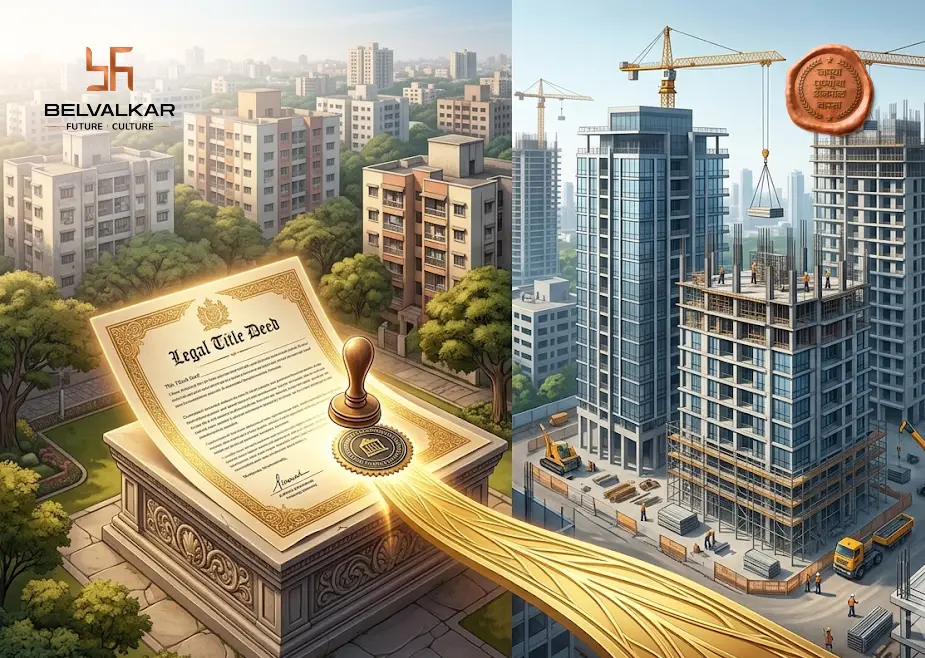
The part sold to new buyers must be registered with MahaRERA. That gives new buyers the usual protections. These include project disclosures, delay penalties, and a place to file complaints if something goes wrong.
The part that goes to existing members, called the rehabilitation component, is treated differently. No sale happens there. Because of this, MahaRERA has ruled in several cases that it does not have to step in. Original members often cannot use RERA if their flat gets delayed, or does not match what was promised.
Key takeaway: RERA protects the buyers of new flats in a redevelopment project. It does not fully protect the original members getting their flats back. Yet they carry the biggest risk of all.
So How Are Existing Members Protected, If Not by RERA?
Right now, members rely on three things instead of RERA. One is a well written Redevelopment Agreement with the builder. Another is help from the Registrar of Cooperative Societies, if a dispute comes up. The last resort is the regular civil courts.
This gap has not gone unnoticed. Maharashtra’s newer housing policy has proposed a separate, RERA-like framework, built just for redevelopment projects. It would come with its own grievance system for members. This has not been finalised yet. But it shows regulators know the current setup leaves a real gap.
Until that changes, the Redevelopment Agreement is doing the job RERA cannot. It should spell out flat size, handover date, and rent paid during construction. It should also state what happens if the builder misses a deadline. A loosely worded agreement is the single biggest risk a society can take on.
How Much Extra Space Can Members Expect?
Most members in central Pune societies end up with noticeably more space than before. In premium, well located pockets, existing owners typically gain 25 to 40 percent more carpet area than before. In other parts of the city, the gain is usually closer to 15 to 25 percent.
The exact number depends on plot size. It also depends on how much of the allowed limit, known as FSI, the old building was actually using. Many older buildings in Pune used only a fraction of what is legally allowed today. That gap is exactly why redevelopment in Pune has become so popular. It works well for members, and for redevelopment builders in Pune too.
Where Is Redevelopment Happening Fastest in Pune?
Pune redevelopment projects are not spread evenly across the city. A handful of established, well connected neighbourhoods are leading the way, and each has its own character.
- Kothrud is currently the busiest pocket for redevelopment projects in Kothrud. Karve Road, Paud Road, and the colonies around them are seeing older buildings replaced with modern towers. These new towers finally have lifts, parking, and proper amenities, things many decades old structures never had.
- Prabhat Road is taking a different route. Redevelopment builders in Prabhat Road Pune tend to build small, boutique projects, often just eight to ten flats. These are made for long time residents who want to upgrade without leaving the lane they grew up on.
- Erandwane sits between Kothrud and Deccan. New projects in Erandwane Pune are drawing families and NRIs who want to stay put. They get a newer home, in the same neighbourhood they already know. Shivaji Nagar is seeing steady activity too. There are several redevelopment projects in Shivtirth Nagar Pune, plus a fair number of under construction projects in Shivaji Nagar. Nearby courts, offices, and transit are the big draw.
Model Colony is following a similar path. Both commercial projects in Model Colony and residential projects in Model Colony are coming up side by side. SB Road was once a mostly commercial stretch. Now, redevelopment builders in SB Road Pune are working on residential towers too. Strong metro and expressway access is a big help. Law College Road and Bhandarkar Road round out the list. New projects in Law College Road and new projects in Bhandarkar Road both appeal to buyers. They want a central address, without leaving familiar surroundings.
Across all these micro markets, one thing stays constant. You may be eyeing new residential projects in Pune. Or you may be comparing the best redevelopment builders in Pune for your own society. Either way, RERA registration and a builder’s track record matter more than a glossy brochure.
Redevelopment That Respects Pune’s Heritage
Good redevelopment is not just about square footage. The best projects protect the small things that make a Pune neighbourhood feel like home. The same neighbours same lanes. The same mandal that has hosted Ganpati every year for generations.
This is where a developer’s own approach matters. Belvalkar Group has worked across Kothrud, Erandwane, Prabhat Road, and several other central Pune pockets. Much of that work sits on land where families have lived for generations. Respecting that heritage, that puneri varsa, is not easy. Doing it while also building a modern, safer home is a balance not every builder gets right. This is why people hunting for the best real estate developers in Pune often ask longtime residents first. Reviews online only tell half the story.
What Should a Housing Society Check Before Signing?
A few checks go a long way before any society commits to a redevelopment builder.
- Confirm the sale component of the project is registered with MahaRERA.
- Read the Redevelopment Agreement carefully, especially the delay penalty clause.
- Ask for the builder’s last three completed projects, and visit them.
- Hire an independent Project Management Consultant who works for the society, not the builder.
- Get the promised carpet area, corpus fund, and rent during construction in writing.
These checks apply whether you are vetting redevelopment builders in Pune for your own society. They also apply if you are browsing premium residential projects in Pune. The same goes for luxury residential projects in Pune. A strong legacy of finished, on time work tells you more than any brochure will.
In Closing
RERA has done a lot for buyers of new flats in Pune. But if your family is an original member going through redevelopment, know this. The law leaves you more exposed than you might assume. Your protection lives mostly in your agreement, not in RERA.
That does not mean redevelopment is something to fear. Done well, it can give a family a safer, bigger home. The right builder and the right paperwork make that possible. It can also keep the puneri varsa that made the old home worth staying in. Belvalkar Group has been part of that kind of change across Pune for years. This Ganeshotsav, another generation will gather in another courtyard. That balance between legacy and progress is really what good redevelopment should protect.
Frequently Asked Questions
1. Does RERA apply to housing society redevelopment in Pune?
Partly, yes. The part sold to new buyers must be signed up with MahaRERA. The part given back to old members is usually left out, since no sale happens there.
2. What is the difference between the sale part and the rehab part?
The sale part is the new flats a builder sells to fresh buyers. It needs RERA sign up. The rehab part is the flats given back to old members. It mostly sits outside RERA cover today.
3. Are existing society members protected during redevelopment?
Not fully, no. Members mainly lean on their Redevelopment Agreement. They can also ask the Registrar of Cooperative Societies for help. If there is a dispute, going to civil court is the last option.
4. How much extra carpet area can a member expect after redevelopment?
In premium central Pune areas, members usually gain 25 to 40 percent more carpet area than before. In other parts of the city, the gain is closer to 15 to 25 percent.
5. Which parts of Pune are seeing the most redevelopment right now?
Kothrud leads the way. Prabhat Road, Erandwane, Shivaji Nagar, Model Colony, SB Road, Law College Road, and Bhandarkar Road all follow close behind.
6. What should a society check before signing with a redevelopment builder?
Confirm RERA registration for the sale part of the project. Read the delay clause closely. Check the builder’s past projects. Hire your own Project Management Consultant.
7. Is Maharashtra planning to change RERA rules for redevelopment?
Yes. A newer state housing policy has proposed a separate, RERA-like law just for redevelopment projects. It has not been finalised yet.