Your team has grown from five people to fifteen. The small room above the bank no longer works. Calls overlap, there is nowhere to meet a client, and new hires keep asking where they will sit. This is usually the moment a founder starts searching for a new office space in Pune.
The search can feel confusing. Every listing says “prime location” and “modern design.” So how do you tell which commercial office space will actually help your business grow? This guide walks through the questions most business owners ask, one by one.
What makes an office space right for a growing business?
The right office is one your team can reach easily, your clients can find quickly, and your business can grow into without moving again in two years.
That breaks down into a few simple checks:
- Location: close to where your people live and where your clients are
- Room to grow: space for at least 30 to 50 percent more people than you have today
- Layout: a mix of desks, meeting rooms and quiet corners
- Building quality: reliable power, internet, lifts, parking and safety
- Paperwork: clear titles, approvals and a fair lease
Get these five right and most other problems become small. Let us look at each one.
Which areas in Pune work best for offices?
There is no single best area. The right office space in Pune depends on who your team is and who your customers are.
If you run a business in Pune, you will notice the city has clear business pockets. Hinjewadi, Kharadi and Magarpatta are known for large IT parks. Baner and Balewadi have become popular with startups and mid-sized firms. The older central areas, like Shivajinagar, Deccan, Model Colony, Erandwane and the stretch along FC Road and SB Road, attract consultants, law firms, CA practices, design studios and finance companies.
Why do central Pune locations still matter?
Central Pune sits in the middle of everything. Courts, banks, colleges, government offices and the older business community are all close by. For a firm that meets clients face to face, this saves hours every week.
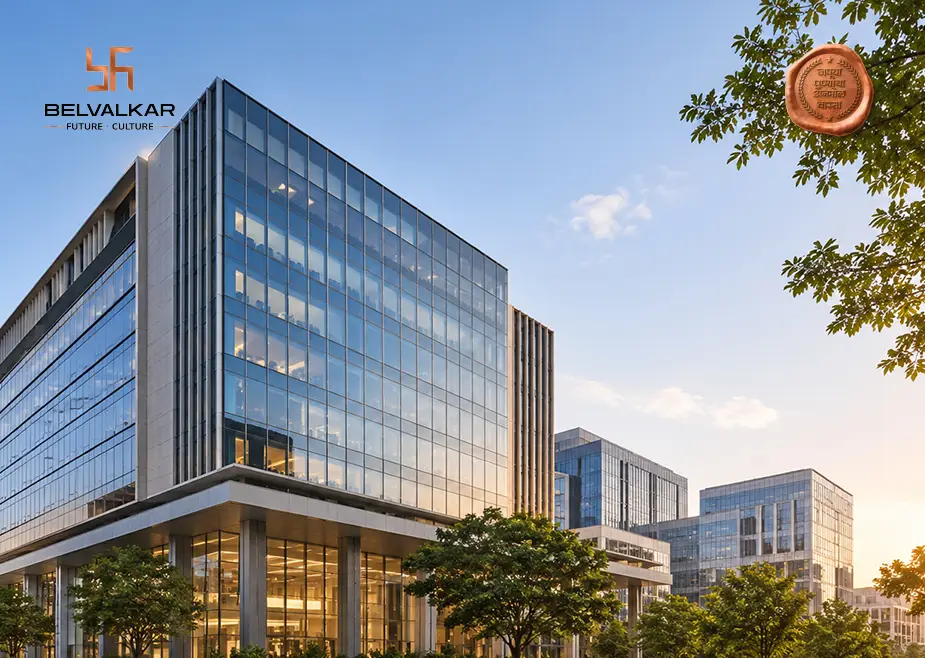
The area is also changing. Many older buildings are being rebuilt, and redevelopment in Pune is bringing modern offices into neighbourhoods that once had only old bungalows and small shops. If you are looking at commercial projects in Model Colony or under construction projects in Shivaji Nagar, you get a central address with new building standards.
How much does the metro change things?
A lot. Pune Metro now runs from PCMC to Swargate and from Vanaz to Ramwadi, with stations at Shivajinagar, Deccan, Civil Court and other central points. An office within a short walk of a station is easier to reach for staff who do not drive. Before you sign, check how long the trip from the nearest station really takes on foot.
How much space does a growing team need?
A common rule is about 60 to 100 square feet of carpet area per person, plus extra for meeting rooms, a pantry and storage.
So a team of 20 might need roughly 1,500 to 2,200 square feet. But do not plan only for today. If you expect to hire ten more people next year, plan for that number now. Moving offices is expensive and tiring, and it disturbs work for weeks.
A few things to keep in mind:
- Ask for the carpet area, not just the built-up or super built-up area. Carpet area is the space you can actually use.
- Check if the floor plate allows you to take the next unit later.
- Count meeting rooms early. Teams almost always need more than they think.
What should the layout look like?
A good layout gives people a place to focus, a place to talk and a place to meet clients, without one getting in the way of the other.
Open desks work well for teamwork, but a fully open floor gets noisy fast. Most growing teams do better with a mix: open desks for daily work, one or two small rooms for calls, a larger room for client meetings and a corner for breaks.
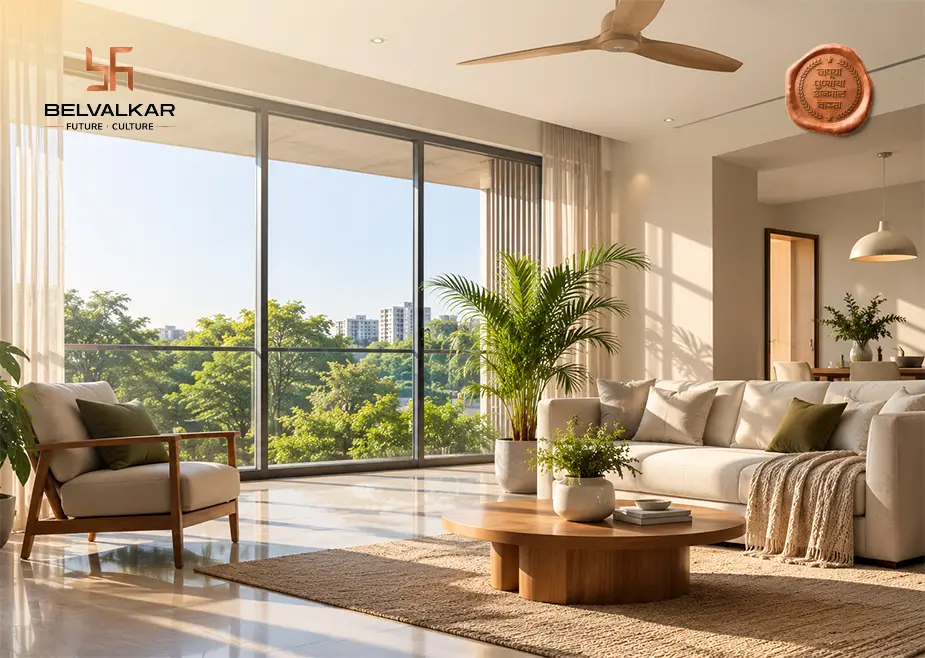
Natural light matters more than people expect. Teams that sit near windows tend to feel fresher through the day. When you visit a space, go in the afternoon and see how much daylight reaches the inner desks.
Which building features should you not compromise on?
Power backup, fast internet, enough parking and good fire safety are the basics. Without them, even a beautiful office will cause daily trouble.
Here is a short checklist to carry on site visits:
- Full power backup for the office, not just the lifts and common areas
- Two or more internet providers already in the building
- Car and two-wheeler parking for staff and visitors
- Working fire exits, sprinklers and extinguishers
- Clean washrooms and a reliable water supply
- Lifts that do not keep people waiting at peak hours
- Proper security and visitor entry
Ask the building manager how often the power goes out and how fast the backup kicks in. A five-minute answer here can save you months of frustration.
Should you rent or buy your office?
Renting suits businesses that are still finding their size. Buying suits businesses that are settled and want a long-term asset.
Renting keeps your cash free for hiring and growth. You can move if the team grows faster than expected. Buying a commercial office space means a larger upfront payment, but you stop paying rent that goes up every year, and the property can gain value over time.
Many owners do both in stages. They rent for the first few years, then buy once the business is stable and they know exactly how much space they need.
What legal and paperwork checks are needed?
Before signing, confirm the building has clear land title, approved plans, a commencement certificate and, for new buildings, an occupancy certificate. For under-construction projects, check the MahaRERA registration.
Also confirm that the space is approved for commercial use. Some buildings mix homes and offices, and the rules for each floor can differ. Read the lease or sale agreement slowly. Look at the lock-in period, notice period, yearly rent increase, maintenance charges and who pays for repairs.
If any of this feels unclear, a property lawyer can review the documents for a modest fee. It is money well spent.
Why does the developer matter as much as the building?
A trusted developer builds well, delivers on time and keeps the paperwork clean. That protects your business long after you move in.
When you look at a new commercial project, look at the people behind it. How old is the company? Have past projects been handed over on time? Do earlier buyers and tenants speak well of them? Developers who have worked in the same neighbourhoods for decades usually know the local rules, the community and the problems to avoid.
Belvalkar Group, for example, has spent years building and redeveloping projects across central Pune, in neighbourhoods such as Erandwane, Model Colony and Bhandarkar Road. Firms like these understand why location and long-term quality matter to the people who use their buildings every day.
Final thoughts
Choosing an office space in Pune is not only about rent and square feet. It shapes how your team works, how clients see you and how easily you can grow. Start with the location, plan for the team you will have next year, check the building basics and never skip the paperwork.
If central Pune fits your business, it helps to work with the best real estate developers in Pune who know these neighbourhoods well. Belvalkar Group builds with this long view in mind, creating spaces where businesses can settle in and grow. Where life falls into place, work can too.
Frequently asked questions
1. How do I choose an office space in Pune for my business?
Start with location. Pick an area your team can reach easily and your clients can find. Then check the size, layout, building basics like power backup and parking, and the legal papers before you sign.
2. Which is the best area in Pune for a small business office?
It depends on your work. IT and tech firms often prefer Hinjewadi, Kharadi or Baner. Consultants, lawyers, CAs and finance firms usually do well in central areas like Shivajinagar, Deccan, Model Colony and Erandwane.
3. How many square feet of office space do I need per employee?
Plan for about 60 to 100 square feet of carpet area per person. Add extra space for meeting rooms, a pantry and storage.
4. Is it better to rent or buy an office in Pune?
Rent if your business is still growing and your space needs may change soon. Buy if your business is stable and you want a long-term asset instead of paying rent every year.
5. What documents should I check before buying a commercial office?
Check the land title, approved building plans, commencement certificate, occupancy certificate and MahaRERA registration for under-construction projects. Also confirm the unit is approved for commercial use.
6. What is the difference between carpet area and built-up area?
Carpet area is the space inside your walls that you can actually use. Built-up area adds the thickness of the walls and some extra spaces. Super built-up area also adds a share of common areas like lobbies and lifts.
7. Are offices in redeveloped buildings a good choice?
Yes, in many cases. Redeveloped buildings in central Pune offer a prime address with modern safety, lifts, parking and power backup that older buildings often lack.
8. Does being near a metro station matter for an office?
It helps a lot. An office close to a metro station is easier for staff to reach without driving, which can make hiring and daily attendance easier.
9. How far ahead should I plan for office space?
Plan for at least two to three years ahead. Choose a space that can hold 30 to 50 percent more people than your current team.
10. Why does the developer’s track record matter when choosing an office?
A developer with a good track record is more likely to deliver on time, build to good quality and keep the legal papers clear. This lowers your risk and saves you trouble later.