
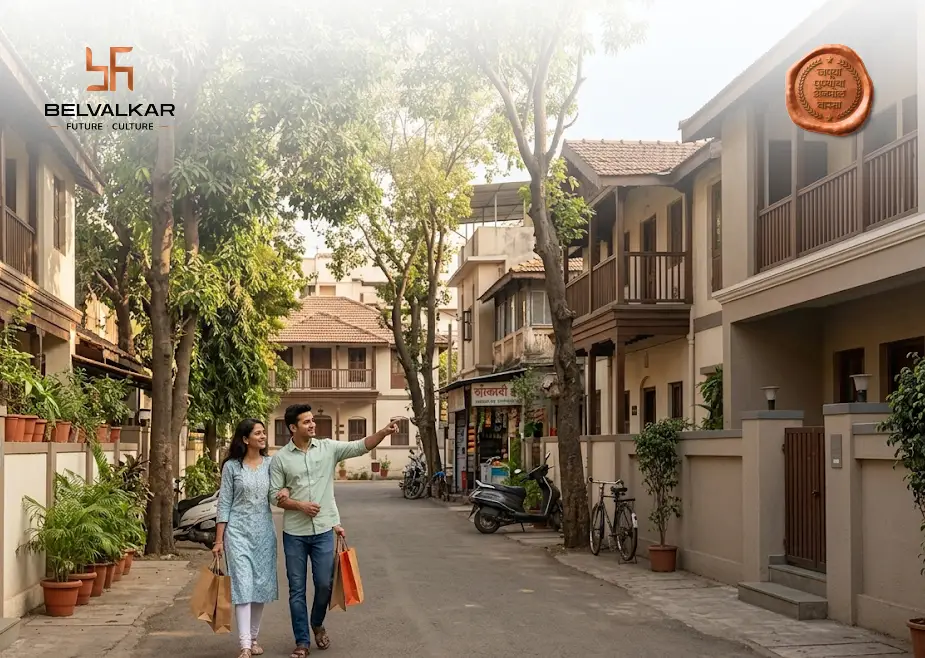
Ask any old Puneri which part of the city feels most like home, and there is a good chance they will point to one of the peths. Not Koregaon Park, not Kalyani Nagar. They mean the old core of the city, where the streets are narrow and the temples are older than most buildings around them. People still call the local kirana store by the owner’s first name.
This part of the city sits right in the middle of that world. For years it stayed quiet while newer suburbs like Baner and Hinjewadi grabbed all the attention. That is changing now. Old wadas are coming down and new residential buildings are going up in their place. A fresh set of buyers, doctors, business families, and people who grew up in these very lanes, are choosing to stay rather than move out.
This piece looks at what is driving that shift, what buyers can expect to pay, and how Navi Peth compares to other redevelopment pockets in Pune.
Where Exactly Is Navi Peth?
Navi Peth sits in central Pune, right next to Sadashiv Peth and Shukrawar Peth, close to Parvati Hill and the Mutha river. The entire locality covers less than a square kilometre, which tells you how tightly packed and walkable it already is.
The name itself gives away its history. It means “new locality” in Marathi, and was laid out in 1818 when Pune’s peth system was expanding past older core areas like Kasba Peth. Two hundred years later, this “new” pocket of Pune is one of the oldest, most settled parts of the city, which is exactly what makes it interesting again.
Why Are Homebuyers Suddenly Interested in Navi Peth?
Buyers are returning because this pocket of Pune offers something a new suburb cannot fake: infrastructure that is already built, tested, and working. Schools, hospitals, markets, and public transport are not promises here. They already exist, and have for decades.
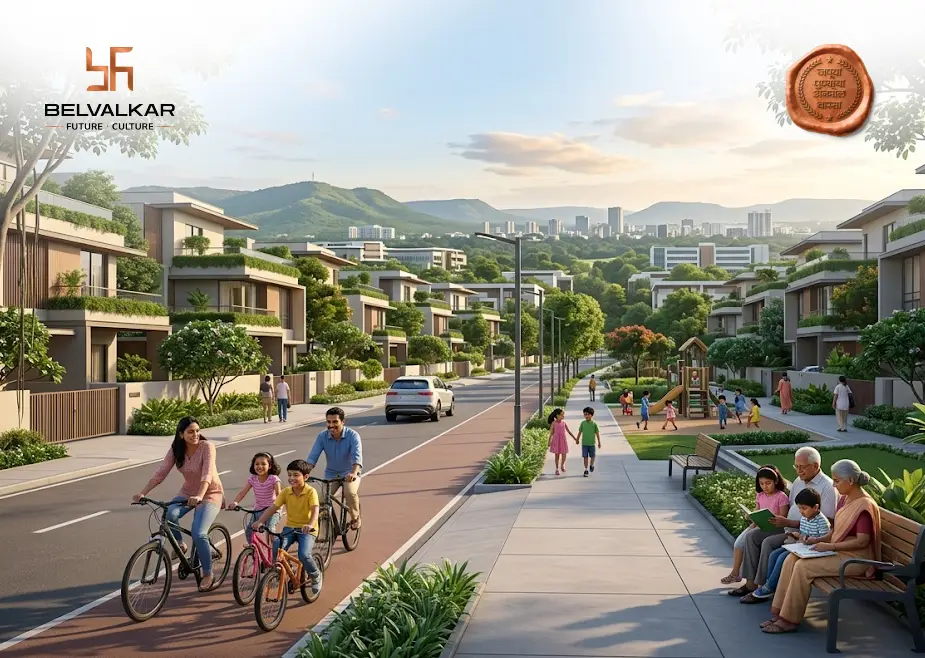
That matters more than it sounds. A family moving into a newly developed suburb often waits years for a school to open nearby, or for a hospital to come up within a reasonable drive. Here, none of that waiting happens. There is an emotional pull as well. Plenty of buyers here are not outsiders. They grew up in these lanes, and their parents still live a few doors away. Redevelopment finally gives them a modern flat without asking them to leave the neighbourhood that raised them.
What Does Redevelopment Actually Look Like Here?
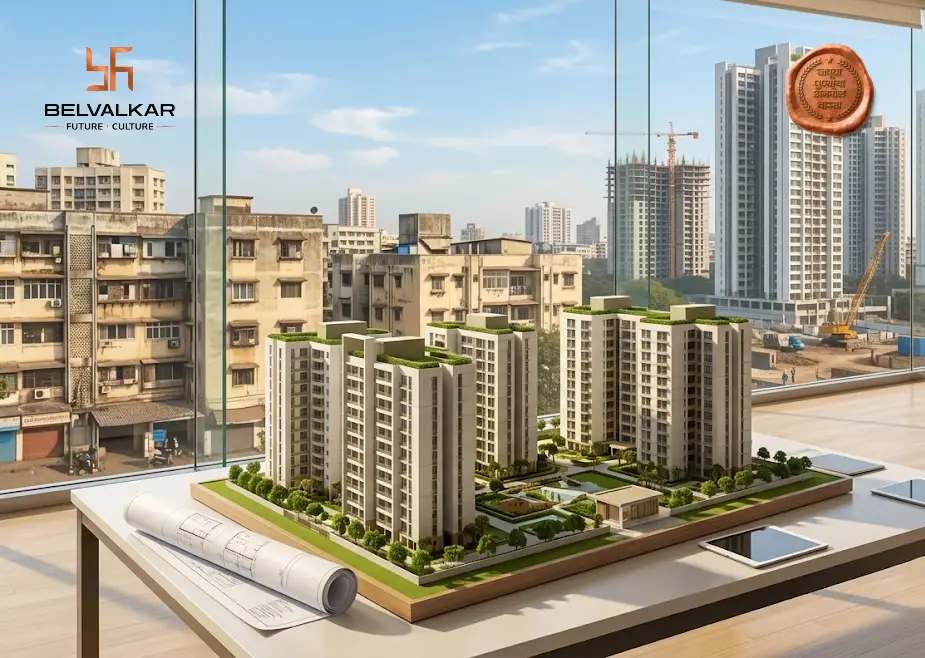
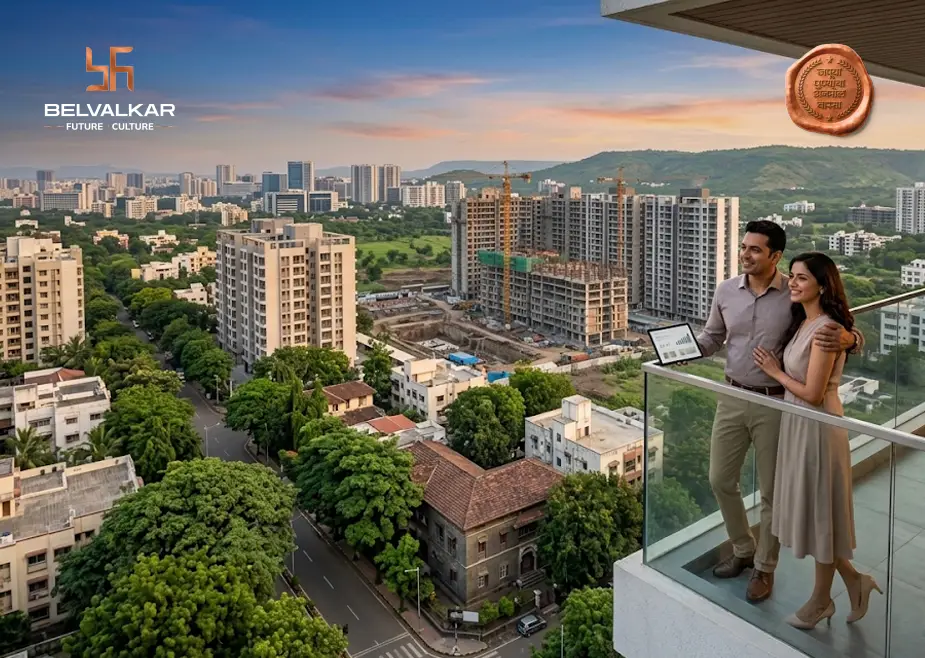
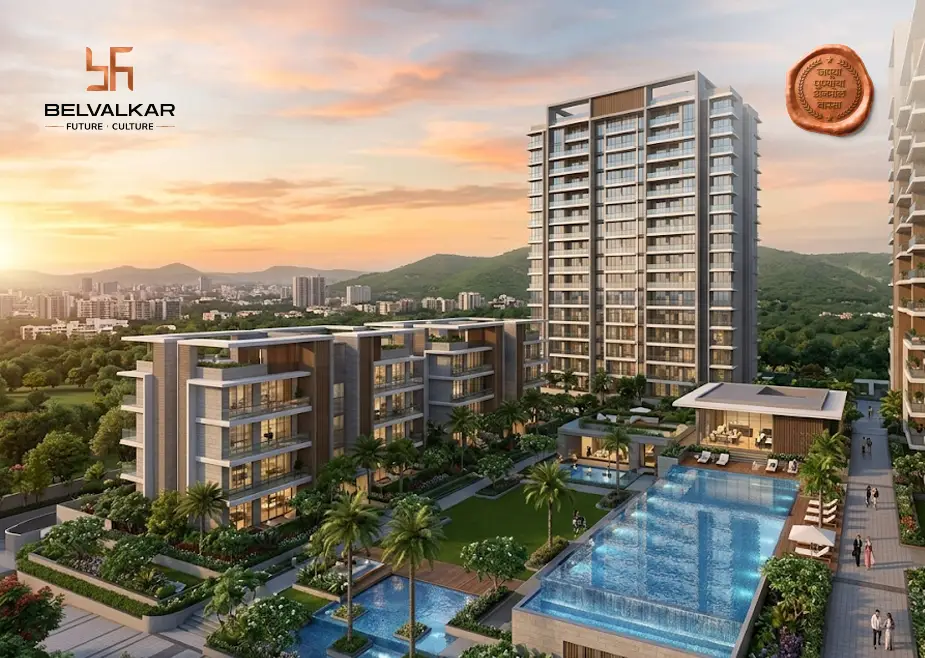
Redevelopment here means replacing old, low rise wadas and cooperative housing societies with new apartment buildings on the same plot. It is not about clearing land on the edge of the city. It is about rebuilding on land that has already been lived on for generations.
Most old buildings in these peths were built decades ago. That was long before today’s rules on how much can legally be constructed on a plot, known as FSI or Floor Space Index, came into force. That gap between what was built and what is now allowed is exactly why redevelopment in Pune has taken off in areas like this. A society that once had six small flats can often be rebuilt into a taller building with far more usable space. Existing members get a bigger home, and the builder gets room to sell a few extra flats too.
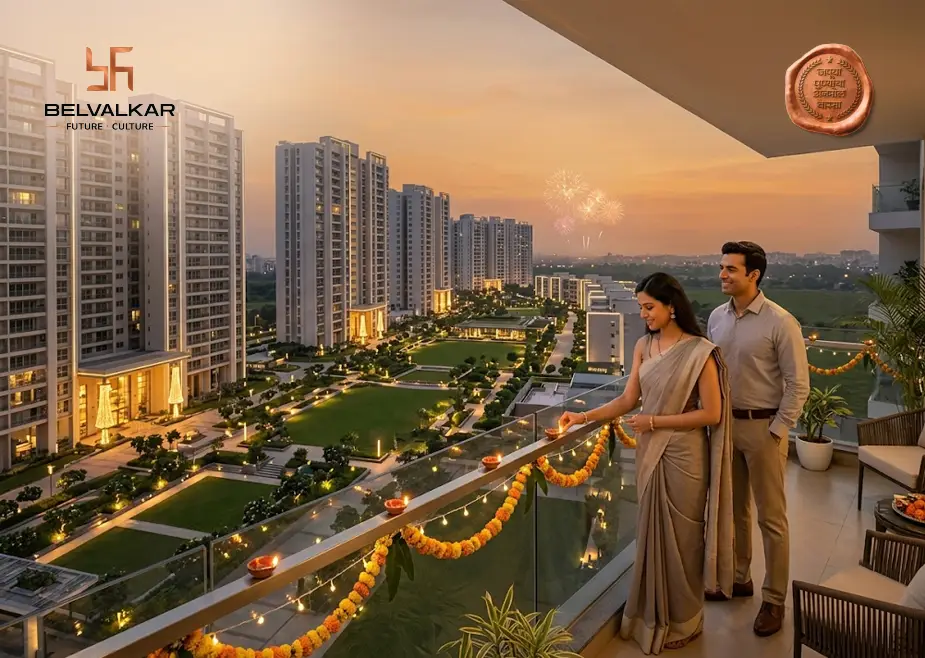
Belvalkar Group’s own Parichay project on Tilak Road, right in the Sadashiv Peth stretch bordering Navi Peth, is a good example of how this plays out. It offers 3 and 3.5 BHK homes with a smart entrance lobby, solar water heating, and round the clock security. These are comforts that would have been unthinkable in the wadas that once stood on these same lanes.
What Are Property Rates Like in Navi Peth Right Now?
Prices currently range from roughly Rs 14,000 to over Rs 20,000 per square foot, depending on the building’s age, size, and finish. Most apartments fall between Rs 70 lakh and Rs 2.7 crore, with the Rs 50 lakh to Rs 2 crore range pulling in the largest share of buyers.
One number stands out if you look closely at demand. Nearly half of buyers here want a 3 BHK, and supply mostly keeps up with that. But demand for 1 BHK homes runs well ahead of what is actually available, which tends to push rental yields up, since students and young professionals nearby keep hunting for compact flats.
New, redeveloped projects usually cost a little more than the neighbourhood average, since they come with amenities and parking that older buildings never had.
How Well Connected Is Navi Peth?
This part of central Pune connects easily to the rest of the city through Tilak Road, Lal Bahadur Shastri Road, and Karve Road. The Deccan Gymkhana Metro station on the Aqua Line is under two kilometres away. Pune Junction railway station is about five kilometres out, and the airport is a comfortable drive from here too.
The recent reopening of Bhide Bridge has also eased traffic on this stretch, the kind of steady upgrade that keeps a central address from feeling cut off as the rest of Pune spreads further out.
How Does Navi Peth Compare to Pune’s Other Redevelopment Hotspots?
This is one of several central Pune neighbourhoods going through the same shift, but each has its own personality. Kothrud, especially around Karve Road and Paud Road, has some of the busiest redevelopment projects in Kothrud right now, with older buildings making way for taller, amenity heavy towers. Redevelopment builders in Prabhat Road Pune tend to work on smaller, boutique projects for residents who have lived there for decades.
New projects in Erandwane Pune and new projects in Law College Road draw families who want a fresh home without leaving a neighbourhood they already know well. Shivaji Nagar has a genuine mix of finished and under construction projects, largely thanks to nearby courts and offices. Model Colony is seeing commercial and residential redevelopment come up side by side. SB Road, once mostly commercial, now has redevelopment builders in Pune building residential towers too, helped by strong metro and expressway access. New projects in Bhandarkar Road round out the picture.
Navi Peth’s edge in this mix is its heritage character. It offers redevelopment without losing the older, walkable, temple dotted streets that make the peths feel different from Pune’s newer suburbs.
What Should You Check Before Buying in Navi Peth?
A few basics apply whether you are buying a redeveloped flat here or evaluating any of the best redevelopment builders in Pune. Confirm the project’s MahaRERA registration and check the promised possession date against the builder’s actual track record. Visit one or two of the builder’s finished projects nearby, since real work says more than any brochure. Ask about parking clearly, since narrow lanes in older peths often mean tighter parking than in newer suburbs. If you are buying from a society going through redevelopment, get the carpet area, corpus fund, and interim rent details written into the agreement. Do not settle for a verbal promise.
These checks matter just as much if you are comparing luxury residential projects in Pune or browsing new residential projects in Pune more broadly. A strong location can still go wrong on paper if the agreement itself is weak.
Is Navi Peth a Good Long Term Investment?
Navi Peth works well as a long term investment because it combines limited new supply with steady, structural demand. Land here is scarce, since the locality is already built out, so every redeveloped project adds only a small number of new flats to a market that keeps wanting more. That kind of scarcity tends to hold prices steady even when newer suburbs go through slower patches.
Add to that its built in advantages: schools, hospitals, markets, and metro access that already exist rather than being promised for later. That combination gives buyers a location that does not depend on future plans to justify today’s price. For anyone who values a central, walkable, established neighbourhood over a large under construction township on the outskirts, this remains one of Pune’s more dependable bets.
In Closing
Navi Peth is proof that old does not have to mean outdated. The wadas are giving way to towers. The lanes are still narrow and the temples are still standing, but the homes inside are finally catching up to what modern families actually need. That balance, keeping the character of central Pune while updating everything else, is what is pulling buyers back to this quiet stretch of the city.
Belvalkar Group has been part of that shift with projects like Parichay and Laxmi Niwas, both built right in the Navi Peth and Sadashiv Peth stretch. For anyone weighing the best real estate developers in Pune, Navi Peth is worth a serious look before you assume the newer suburbs are the only option.
Frequently Asked Questions
- Where is Navi Peth located in Pune?
Navi Peth sits in central Pune, next to Sadashiv Peth and Shukrawar Peth, close to Parvati Hill and the Mutha river. Its pincode is 411030. - What are property rates like in Navi Peth right now? Rates currently range from about Rs 14,000 to over Rs 20,000 per square foot, depending on the building’s age and finish. Most apartments fall between Rs 70 lakh and Rs 2.7 crore.
- Why is so much redevelopment happening in Navi Peth? Many old buildings here were built long before current FSI rules came into force, so they used only a fraction of what is legally allowed today. Redevelopment lets societies rebuild taller, giving existing members more space and letting builders sell a few extra flats.
- How well connected is Navi Peth to the rest of Pune? Navi Peth connects through Tilak Road, Lal Bahadur Shastri Road, and Karve Road, with the Deccan Gymkhana Metro station under two kilometres away. Pune Junction is about five kilometres out.
- Is Navi Peth a good area for long term investment? Yes, mainly because supply is limited and demand stays steady. The locality is already built out, so new flats added through redevelopment tend to hold their value well
- What should I check before buying a redeveloped flat in Navi Peth? Confirm the project’s MahaRERA registration, check the builder’s past projects, ask about parking clearly, and if buying through a society, get carpet area and corpus fund details in writing.
- Is Navi Peth suitable for families, or mainly for rentals? Both. It works well for families who want established schools and hospitals nearby, and it also draws strong rental demand from students and young professionals working close to Deccan and Swargate.