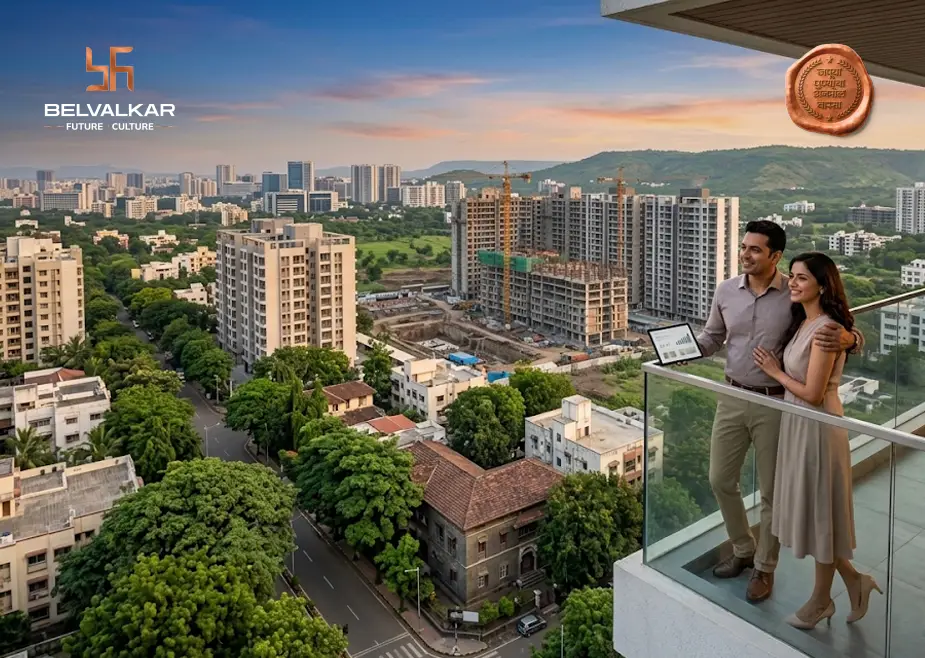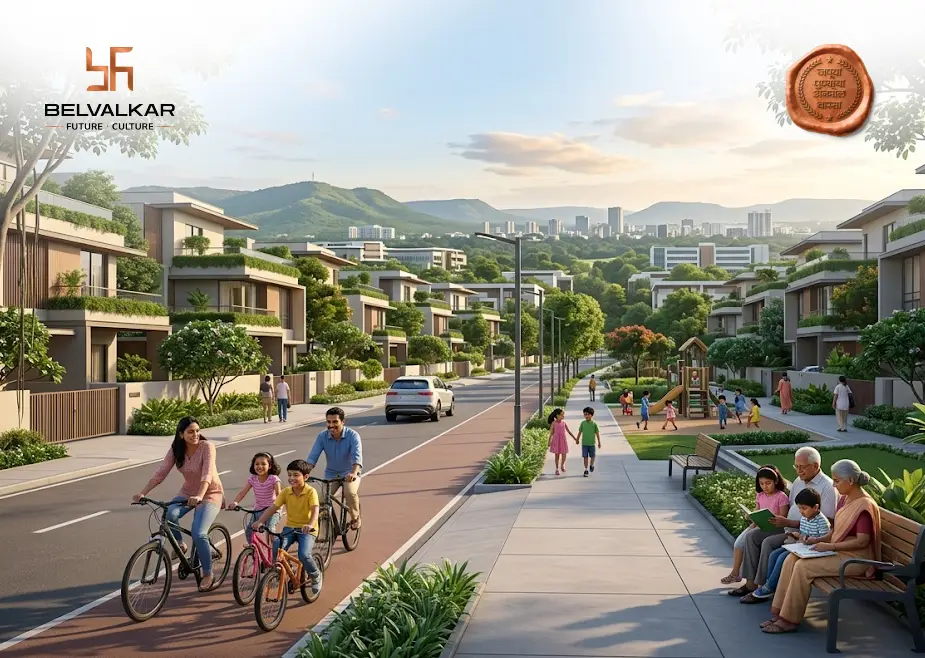

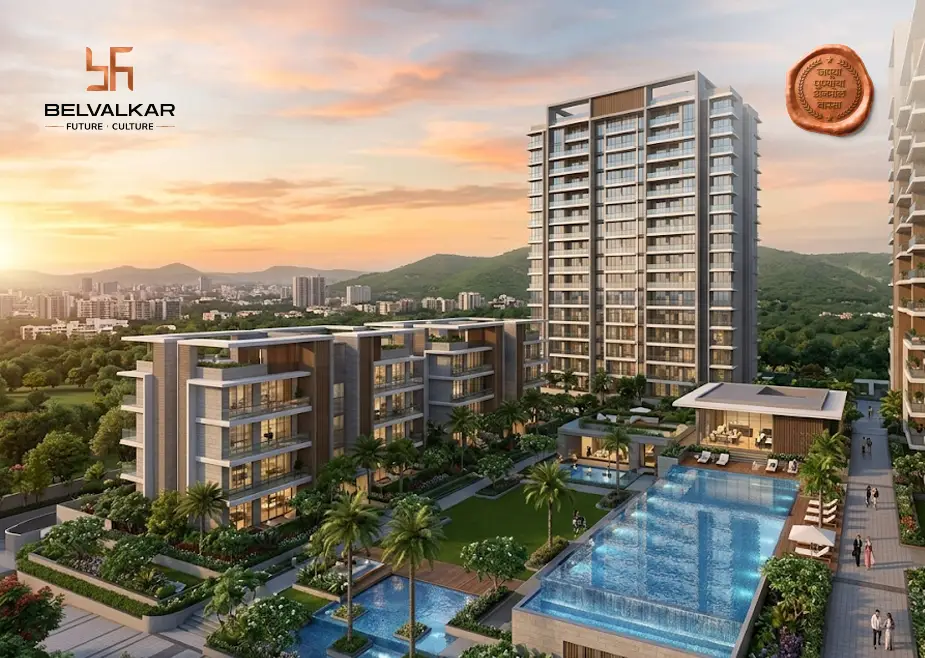
Drive through Kothrud, Prabhat Road or Shivaji Nagar today. You will see something new. Old two-storey buildings are coming down. Tall towers with glass railings and covered parking are going up in their place. This is not random construction. It is redevelopment, and it is changing what “home” looks like in some of Pune’s oldest neighbourhoods.
This matters if you live in Pune, and even more if your parents own a flat in an old society or you are house hunting in a well-established part of the city. Here is a clear look at what is happening and what it means for you as a buyer.
What Does Redevelopment Actually Mean?
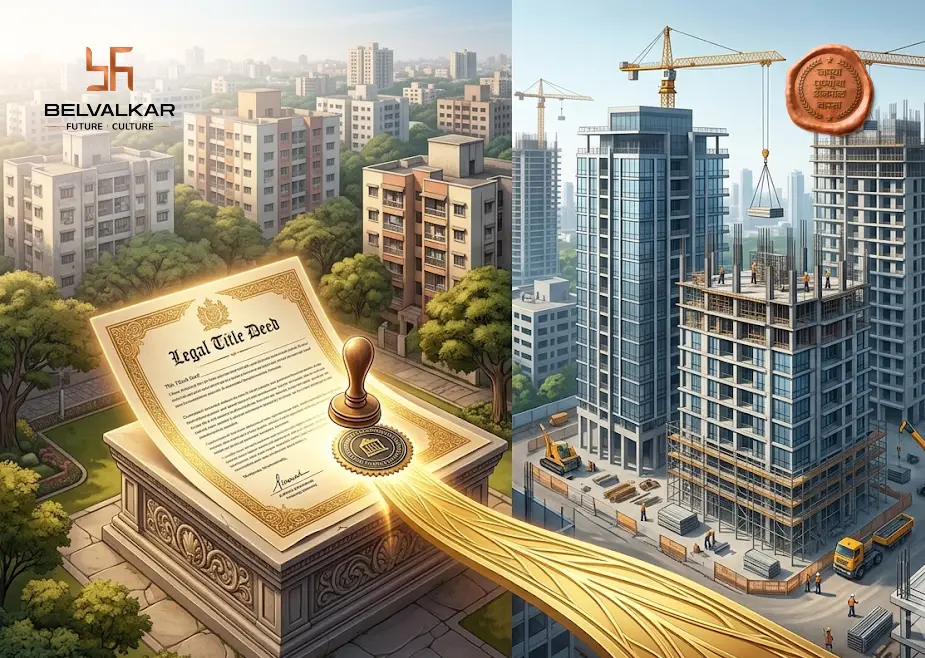
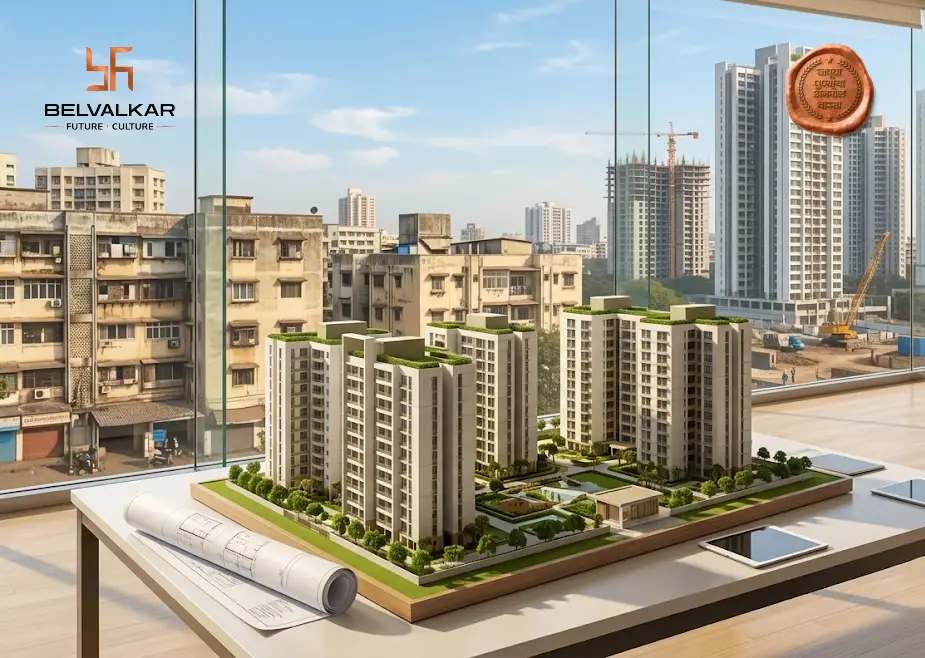
In simple words, redevelopment is when an old society tears down its building and builds a new one on the same land. Current owners get a bigger, modern flat for free. They also get a lift, parking and better security. In return, the builder gets permission to add more flats on the same plot. The builder sells those extra flats in the open market.
This solves a real problem. Central Pune has almost no empty land left. So builders go back to old plots and build taller, better buildings on them, instead of moving to the outskirts. That is the short story behind redevelopment in Pune today.
Why Is Redevelopment Picking Up Speed Right Now?
Three things are driving this trend at once.
First, many buildings in central Pune were built in the 1970s, 80s and 90s. They are old and need major repair or a full rebuild. Second, city rules now allow more floors on many old plots than before. This makes the project worth a builder’s time. Third, buyers want lifts, parking, gyms and clubhouses. Older buildings in areas like Erandwane and Model Colony were never built with these.
Put these three points together and you get steady demand for new projects. It also explains why terms like “top redevelopment builders in Pune” and “best redevelopment builders in Pune” get searched so often, by both society members and new buyers.
Which Pune Localities Are Leading This Change?
Not every part of the city is changing at the same speed. A few central, well-connected pockets are clearly ahead of the rest.
Kothrud and the Roads Around It
Kothrud is one of the busiest zones for redevelopment projects in Kothrud, especially near Karve Road and the older lanes off it. The area already has good schools, hospitals and markets nearby. Its metro link makes it even more attractive to families who do not want to leave a neighbourhood they know well.
Prabhat Road and SB Road
These two addresses have always carried some prestige in Pune. What is changing is the scale of work. Redevelopment builders in Prabhat Road Pune mostly build small, boutique projects, often just eight to ten flats in one building. The same holds true for redevelopment builders in SB Road Pune, where nearness to the business district keeps demand strong among working professionals.
Shivaji Nagar and Model Colony
Shivaji Nagar sits close to government offices, courts and the city centre. That makes it a natural fit for rebuilding older structures. You will find several under construction projects in Shivaji Nagar right now, replacing old bungalows and small blocks. Nearby, Model Colony is seeing both residential projects in Model Colony and new commercial projects in Model Colony, as the area’s character keeps changing.
Erandwane, Law College Road and Bhandarkar Road
Erandwane draws long-time residents along with NRI families who want a comfortable, central base. This is why new projects in Erandwane Pune keep drawing buyer interest. A short drive away, new projects in Law College Road and new projects in Bhandarkar Road follow a similar pattern. Tall, modern buildings are replacing older, low-rise ones on the same central land.
Why Are So Many New Projects Called “Luxury”?
Here is the honest answer. Land in these areas costs a lot and there is very little of it left. Builders cannot make the numbers work with small, basic flats. So they build fewer units, with bigger layouts, better finishes and more amenities, and price them to match.
That is really the story behind most luxury residential projects in Pune today. It is less about clever marketing and more about simple math. When a plot can only hold a limited number of flats, it makes more sense to build well than to build a lot. This is also why premium residential projects in Pune are showing up mostly in these central, land-scarce pockets, and not in newer, spread-out suburbs.
How Much Does Infrastructure Add to the Appeal?
Quite a lot, and many buyers do not think about this enough. Pune’s Metro Purple Line runs from Hinjawadi to Shivajinagar. It was over 90 percent complete in early 2026, with stops planned near Nal Stop, Civil Court and other central points.
Once the line is fully open, travel time will drop sharply for people in Kothrud, Deccan and Shivaji Nagar. Add this to schools, hospitals and markets built up over decades, and you get a clear reason why buyers pay a premium to stay central, rather than move further out.
What Should You Check Before Buying Such a Flat?
A few checks here can save you a lot of stress later.
- Make sure the project is RERA registered. Check the number yourself on the MahaRERA website.
- Look at the builder’s finished projects, not just the brochure. Visit a completed one if you can.
- Ask for a realistic handover date in writing. This kind of project often takes longer than building on open land.
- Get the property title and society papers checked by a lawyer. It involves moving rights from the old building to the new one.
- Compare the carpet area and amenities closely. “Luxury” should mean something specific, not just a word on a hoarding.
Do this homework before you buy, not after your money is committed.
Is This a Good Time to Invest in Pune’s Redevelopment Story?
For many buyers, yes, and the reason is fairly simple. You are buying into a location that already works. Roads, schools, markets and now a metro line are already in place. That is very different from betting on infrastructure that is still years away in a newer suburb. Pune redevelopment projects in these central areas tend to hold their value well, mainly because the land itself is limited and cannot be recreated elsewhere.
That said, no investment is free of risk. Choose a developer with a real track record in this specific kind of work. It means working with an existing society, handling legal transfers, and managing construction in phases, quite different from building on an empty plot. Belvalkar Group, which has focused on this kind of rebuilding across Kothrud, Erandwane and nearby areas for several decades, is a useful example of what a well-run project should look like. Clear talks with the original society and realistic handover dates are usually the first signs of a builder worth trusting.
The Bigger Picture
Pune’s redevelopment wave is not a passing trend. It is a practical answer to a city running low on open land, but still full of demand for well-located homes. Expect this pattern to continue, with old buildings quietly giving way to better-designed new ones across Kothrud, Prabhat Road, Shivaji Nagar, Model Colony and the streets around them.
If you are exploring homes in this space, work with one of the best real estate developers in Pune, someone who has actually delivered such projects, not just promised them. Belvalkar Group’s work across these central Pune neighbourhoods is worth a look if you want to see how careful, community-first rebuilding plays out in real life.
Frequently Asked Questions
What does redevelopment mean in real estate?
Redevelopment means pulling down an old building and putting up a new one on the same land. It usually happens when the old structure has aged, or when the plot can legally support more floors than before.
Why is redevelopment so common in Pune specifically?
Pune’s central areas have almost no empty land left. Many buildings here also date back to the 1970s through the 90s and need major work. Redevelopment lets the city add modern homes without spreading further out.
Which areas in Pune see the most redevelopment activity right now?
Kothrud, Prabhat Road, SB Road, Shivaji Nagar, Model Colony and Erandwane currently see the highest amount of this kind of work, thanks to their central location and older buildings.
Do existing flat owners pay for their new flat during redevelopment?
Usually not. Existing owners typically get a new, larger flat in the rebuilt structure at no extra cost. The builder earns money by selling the extra flats created through added construction rights.
How long does a redevelopment project usually take in Pune?
Most such projects take three to five years from approval to handover, depending on plot size, approvals needed, and how well the society and builder work together.
Is a redeveloped flat pricier than a flat in a fresh project on open land?
Often, yes, mainly because it happens in established, central spots with roads, schools and markets already in place, which naturally costs more than newer projects on the city’s edge.
What is self-redevelopment and how is it different?
Self-redevelopment is when a society manages construction itself, usually with a bank loan, instead of handing the project to a builder. It can mean better returns, but it needs more time and planning from the society.