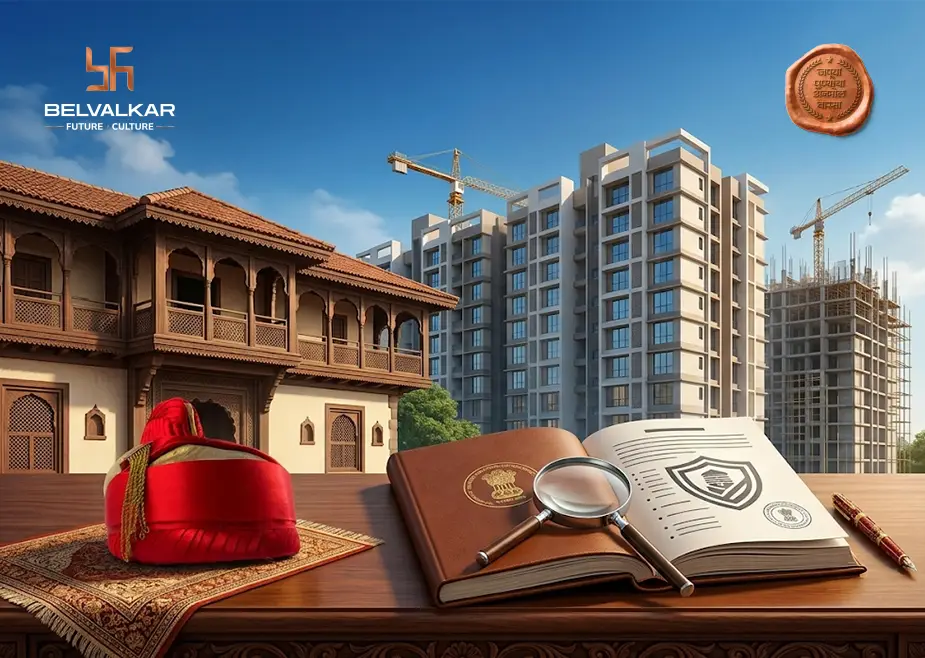

Pune is changing faster than most of us realise. Drive through Erandwane, Shivaji Nagar, or Kothrud today and you’ll spot something familiar. A scaffold around a 1970s building. A faded society board next to a glossy new hoarding. Somewhere in between, a watchman who’s seen it all.
This is what redevelopment looks like up close. Quiet, slow, and now everywhere.
For anyone planning to buy a home, sell an old flat, or just understand where the city is heading, redevelopment is the most interesting story in Pune real estate right now. Here’s a look at where it’s happening, what’s setting the better projects apart, and what you should know before getting involved.
Why redevelopment is having such a moment
Most of central Pune was built between the 1960s and 1990s. Those buildings did their job. They housed two or three generations of families. But concrete ages, lifts give up, and parking that worked for one Premier Padmini per flat doesn’t work for two SUVs.
Then there’s the rule book. FSI norms, road widths, and TDR allowances have changed since these buildings came up. A 50-year-old structure built on 0.6 FSI is sitting on a plot that legally allows much more. That gap is where redevelopment lives.
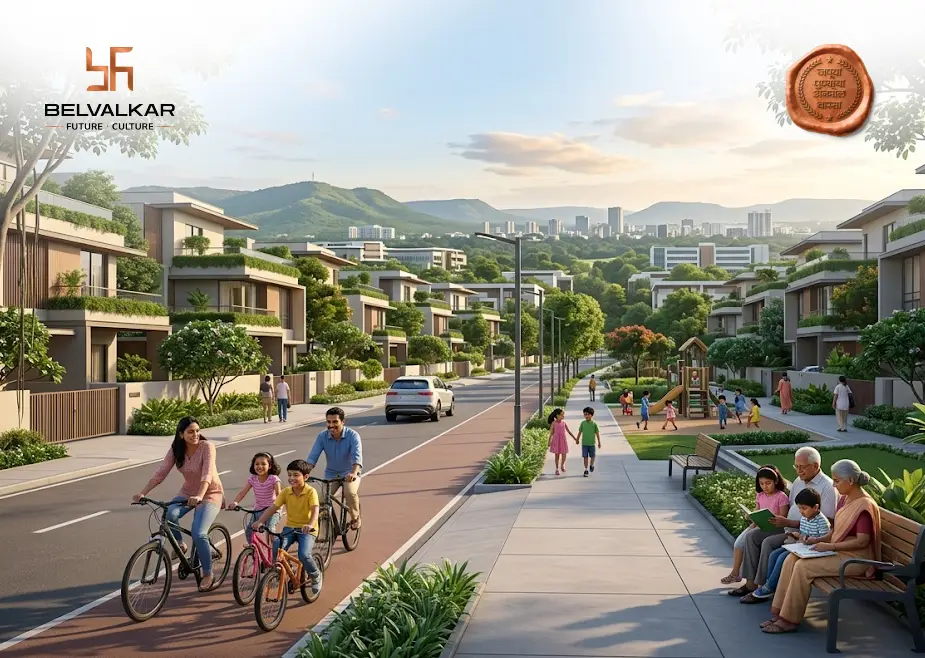
For flat owners, it means a chance to upgrade without leaving their neighbourhood. For builders, it’s an opportunity to add high-quality stock in pockets where land is otherwise impossible to find. For Pune as a city, it’s how the central core is quietly being rebuilt without spreading further into farmland.
The neighbourhoods doing it best
Some belts in Pune have become natural homes for the strongest redevelopment work. Each one has a slightly different reason.
Erandwane, Prabhat Road, and Bhandarkar Road
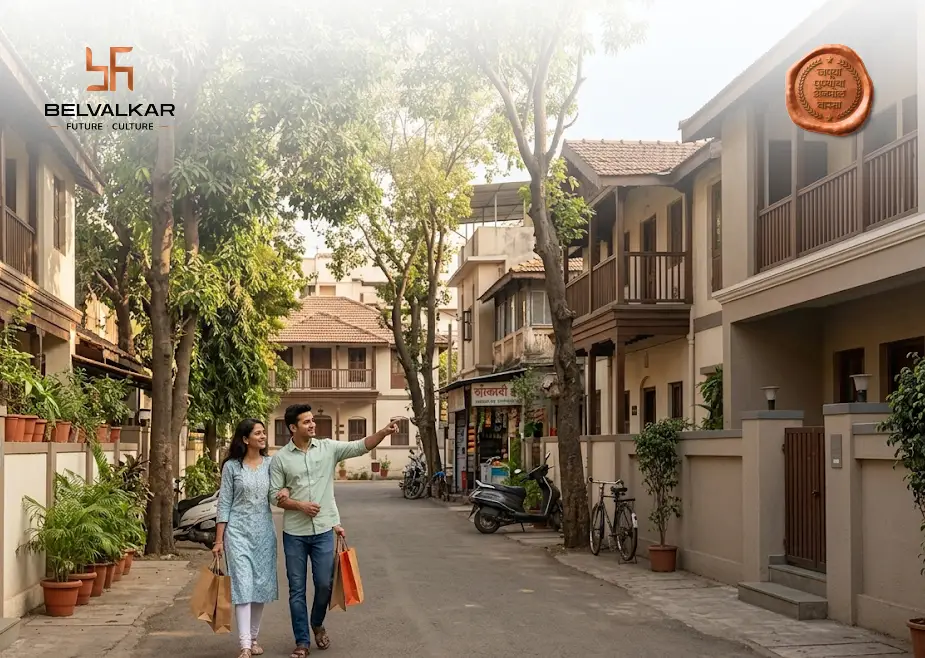
This is Pune’s old-money belt. Calm streets, mature trees, schools and clinics that have been around for decades. The buildings here are typically 30 to 50 years old, which makes them ideal candidates for redevelopment.
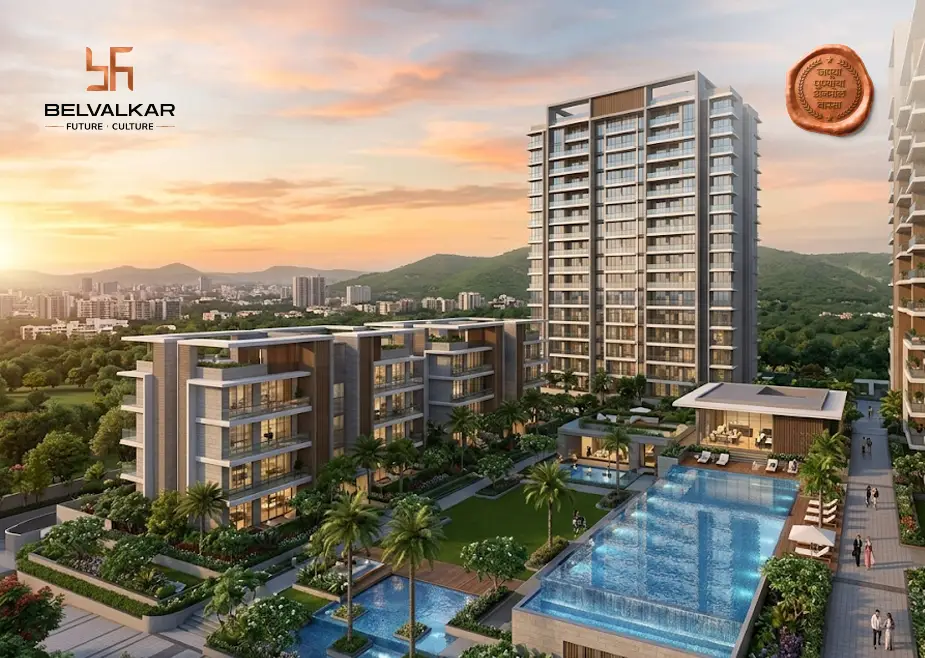
What’s interesting about new projects in Erandwane Pune and Bhandarkar Road right now is that buyers aren’t looking for size alone. They want quality, low-density buildings with thoughtful layouts. A four-flat-per-floor monster doesn’t fit here. A 14-storey tower with two flats per floor, on the other hand, sells out before it’s launched.
Redevelopment builders in Prabhat Road Pune have figured this out. The good ones aren’t trying to maximise units. They’re trying to match the calm of the neighbourhood with what they build.
Shivaji Nagar and Model Colony
If Erandwane is old-money quiet, Shivaji Nagar is old-money central. Walking distance to FC Road, Deccan, and the city’s institutional heart. Under construction projects in Shivaji Nagar lean towards premium because of where they sit, not because of what they offer.
Model Colony is its own micro-story. Wide roads, planned layouts, and one of the highest demand-to-supply gaps in central Pune. Both residential projects in Model Colony and commercial projects in the same belt are seeing serious attention. New offices, boutique residences, and a few mixed-use plays are quietly changing how this pocket feels.
Kothrud
Kothrud is the underrated story. For years, it was seen as a residential suburb that hit its peak. Today, redevelopment projects in Kothrud are some of the most active in the city. Old societies sitting on generous plots, good road width, and metro connectivity now make it competitive with belts that used to feel out of reach.
Buyers here are different too. Many are second-time upgraders. Families that moved to Kothrud in the early 2000s and want a better home in the same area without uprooting their kids’ schools or their parents’ routines.
SB Road and Law College Road
These two are doing something specific. They’re attracting a younger, more career-driven buyer. Professionals working in central Pune who want walking-distance access to Baner, Aundh, and the SB Road business hub.
Redevelopment builders in SB Road Pune are responding with smaller, more efficient flats. Two-bedroom homes in the 900 to 1100 sq ft range with strong amenities. New projects on Law College Road are leaning the same way. The math here favours efficiency over excess, and the market is voting yes.
What actually makes a top redevelopment project
Almost every project markets itself as “premium.” Here’s how to spot the ones that earn it.
- The plot is right. A small, awkward plot with a tight road in front will always feel cramped, no matter how nice the elevation looks. Larger plots with good road width are the foundation of every great redevelopment project.
- The architect cared about light. Pune buildings often have rooms that face concrete walls of the building next door. The good architects design around this. They rotate the building, push windows to better angles, and treat ventilation as a design problem instead of an afterthought.
- The amenities make sense for the actual building. A 12-flat boutique project doesn’t need a 5-acre clubhouse. It needs a small, beautifully done landscaped courtyard. Premium projects that get this match right feel curated. The ones that don’t feel like they’re trying too hard.
- The handover dates were reasonable, and met. This is the simplest filter. Has the builder delivered past projects on time? If yes, that history matters more than any brochure. If no, walk away.
- The existing residents are happy. If the project is occupied, just visit. Talk to people in the lift. Ask the watchman how the lifts are running and how the building handles monsoon. A five-minute conversation tells you more than five site visits.
The quiet role of legacy builders
Here’s something that doesn’t get said often enough. Redevelopment is one of the most relationship-heavy parts of real estate. A society chooses a builder, then signs up to work with them for three to four years through construction, paperwork, government approvals, and dozens of small disputes.
For that kind of relationship, track record matters more than marketing. Builders who’ve delivered for decades have learned how to handle the slow weeks, the missing approvals, the unexpected costs. The good ones don’t just build well. They keep their word through the long middle of a project, when nothing seems to be moving.
That’s where legacy real estate developers in Pune still hold an edge. Not because they’re flashier, but because they’re reliable.
So where should you start
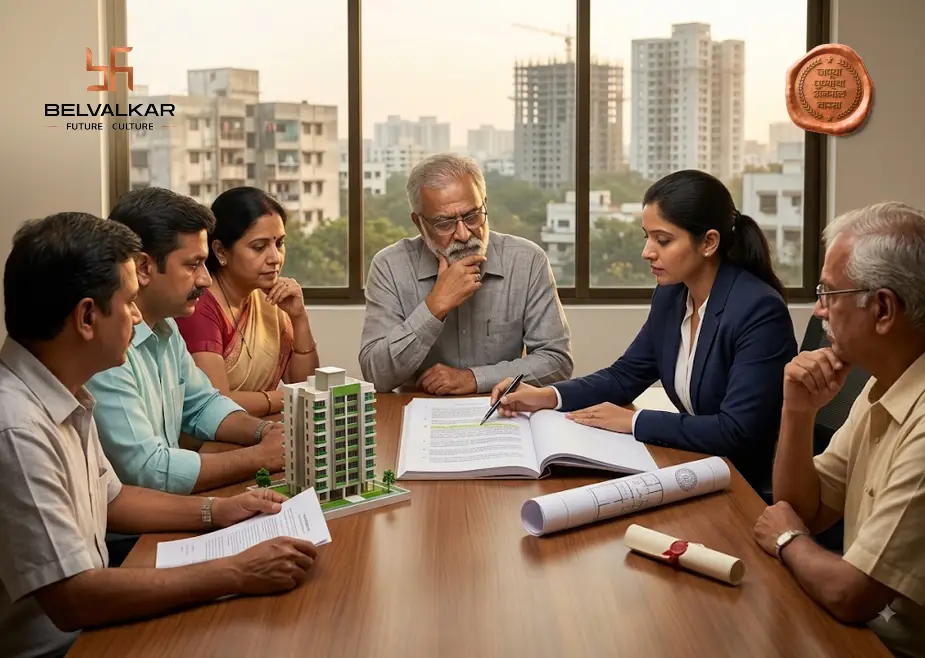
If your society is just beginning to explore redevelopment, the answer isn’t to sign with the first builder who walks in with a glossy presentation. It’s to talk to three or four. Visit their past projects. Speak to the residents. Read the development agreement with a lawyer who actually does redevelopment work, not a generalist.
If you’re a buyer looking at a project that’s already under construction, the same idea applies. Look beyond the brochure. Visit at odd hours. Ask about the team. Pune has plenty of options. The good ones reveal themselves quickly.
Belvalkar Group, one of Pune’s longer-standing real estate developers, has been building in the city since 1969 and works on redevelopment across several Pune neighbourhoods. For societies and buyers exploring this space, builders with that kind of history usually make the construction and the paperwork side a lot less painful.
Final thought
The redevelopment wave in Pune isn’t a trend. It’s a shift in how the city is rebuilding itself, one society at a time. The best projects are the ones that respect the neighbourhoods they’re in, deliver what they promise, and don’t try to oversell.
If you’re paying attention now, you’re paying attention at the right time. Pune is being quietly redrawn, and the smart move is to know where, why, and with whom.